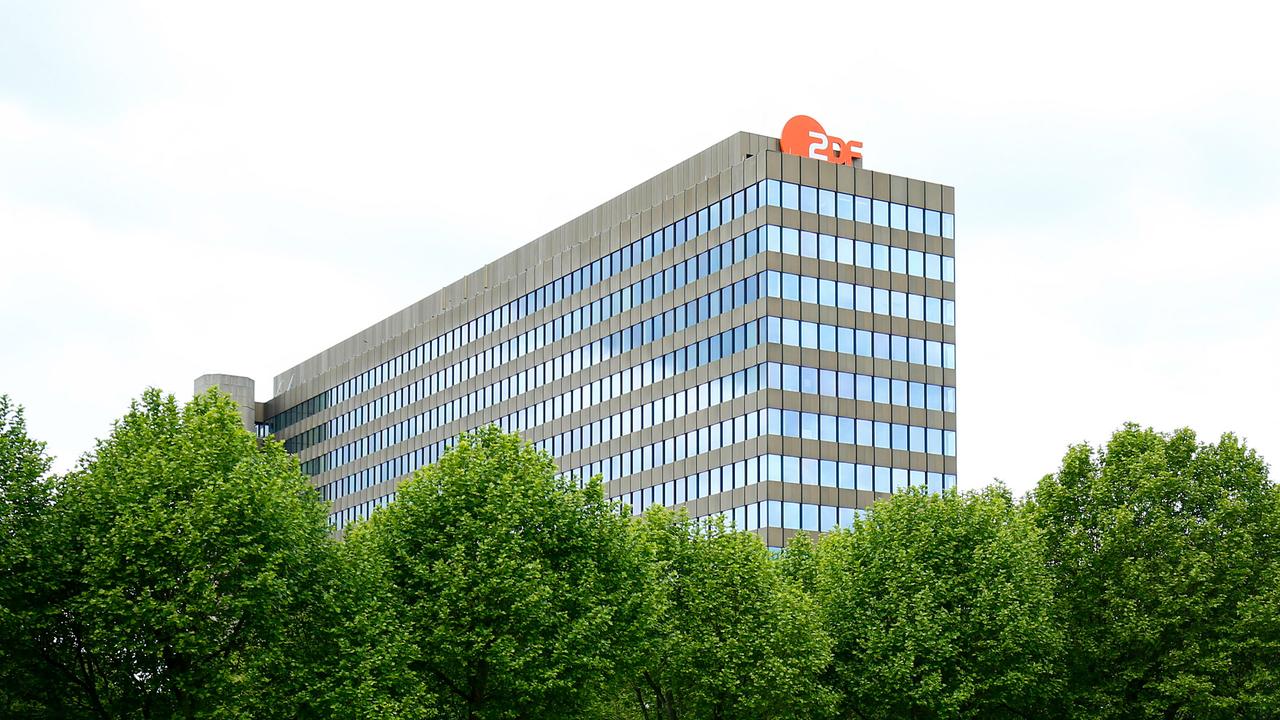
The dawn of February 24, 2022, brought with it a stark juxtaposition for Germany. As Russian tanks rolled into Ukraine, signaling a profound shift in European geopolitics, many Germans were preparing to usher in Weiberfastnacht – the vibrant commencement of the carnival season. This immediate and severe global crisis presented an unprecedented challenge for German public broadcasters, particularly the Westdeutscher Rundfunk (WDR) and Zweites Deutsches Fernsehen (ZDF), forcing a rapid and significant zdf programm umgeworfen (ZDF program reshuffle) and similar adjustments across the board. The decision to pull popular carnival broadcasts from prime-time television and pivot towards more somber, informative content highlighted the delicate balance public service media must maintain between entertainment and their core mandate in times of crisis.
The Unprecedented Dilemma: Carnival vs. Conflict
Weiberfastnacht, the Thursday before Ash Wednesday, traditionally marks the energetic start of street carnival in Germany's Rhineland strongholds like Cologne, Düsseldorf, and Mainz. Regional media outlets, including WDR and SWR, typically dedicate extensive live broadcasts to the colorful processions, exuberant revelers, and festive atmosphere. For many, it's a cherished cultural highlight, a time for joyous escapism and communal celebration.
However, the sudden outbreak of war in Ukraine cast a long, somber shadow over these planned festivities. The stark contrast between images of conflict and those of exuberant celebration created an immediate ethical and practical dilemma for broadcasters. How could they justify broadcasting lighthearted carnival entertainment while a humanitarian crisis unfolded just a few hundred kilometers to the east? The phrase "Spagat" – a balancing act or split – perfectly encapsulated the predicament facing media houses. They could neither ignore the immediate, local cultural significance of carnival nor overlook the devastating global events unfolding.
Early attempts by some broadcasters to navigate this sensitivity were telling. The WDR-Fernsehen, for instance, initially began a carnival special on Thursday morning. However, even within the broadcast, editorial teams grappled with the disconnect, inviting viewers to share their "mixed feelings" via email or WhatsApp. This honest acknowledgement of the prevailing mood underscored the difficulty of maintaining a celebratory tone. Ultimately, after just three of the planned seven hours, the show was cut short, signaling a decisive shift in editorial priorities across the public broadcasting landscape.
ZDF's Decisive Move: "Mainz bleibt Mainz" Shifts to Mediathek
Among the most prominent instances of this rapid zdf programm umgeworfen was the fate of "Mainz bleibt Mainz, wie es singt und lacht." This iconic Fernsehfastnacht (TV carnival session) is a highlight of the German carnival calendar, known for its political satire, humorous speeches, and traditional performances from the heart of Mainz. Originally slated for prime-time broadcast on Friday evening, ZDF faced immense pressure to re-evaluate its schedule.
The public broadcaster confirmed its decision swiftly: "Aufgrund der aktuellen Ereignisse in der Ukraine verzichten wir auf die Ausstrahlung von 'Mainz bleibt Mainz, wie es singt und lacht' im Hauptprogramm." (Due to current events in Ukraine, we are foregoing the broadcast of 'Mainz bleibt Mainz, wie es singt und lacht' in the main program.) This statement from ZDF underscored a profound commitment to journalistic integrity and respect for the gravity of the international situation. It wasn't just a simple cancellation but a strategic re-platforming, indicative of evolving media consumption habits and the flexibility offered by digital channels.
Crucially, the decision was not to scrap the pre-recorded show entirely. Instead, ZDF opted for a sensible compromise that respected both the artists' efforts and the audience's mixed feelings: the full session, which had been recorded on Tuesday and Wednesday, would be made available from Friday evening at 20:15 Uhr in the ZDF Mediathek. This move allowed those who still wished to watch the carnival entertainment to do so on demand, while ensuring that ZDF's main channel could dedicate its prime-time slot to urgent news and comprehensive reporting on the unfolding crisis. It epitomized a thoughtful response, demonstrating how public service media can adapt its content delivery in challenging times.
WDR and Other Broadcasters Follow Suit: A Broader Program Overhaul
The shift at ZDF was not an isolated incident; it was part of a widespread Ukraine Conflict: German Broadcasters Scrap Carnival Shows trend across Germany's public service media landscape. The WDR, heavily invested in Rhineland carnival coverage, enacted even more extensive changes. After cutting short its initial TV special, the broadcaster ultimately decided to cancel all planned carnival broadcasts on its third program. The fate of the eagerly anticipated "Karneval in Köln" on ARD (produced by WDR) for Rosenmontag (Rose Monday) also hung in the balance, with broadcaster circles deeming its live transmission unlikely.
Radio outlets, too, felt the impact. Radio Köln, a local station deeply embedded in Cologne's carnival culture, altered its morning program, switching from carnival music to a more subdued lineup from 8 AM onwards. Similarly, the public radio station WDR4, which had announced its program under the festive motto "Karneval hoch 4," revised its playlist to feature pop and oldies instead of traditional Stimmungsmusik (party music). A WDR4 moderator articulated the change, explaining the shift in tone was necessary given the global events.
The statements from various presenters underscored the profound impact on journalists and media professionals. Sabine Wieseler and Anna Planken, moderators of WDR's "Weiber live 2022," unexpectedly concluded their broadcast early, with Wieseler stating, "We had a fairly long plan, but we are cutting this program short here, because it feels increasingly difficult to celebrate carnival while there is war in Ukraine." This candid admission reflected the widespread sentiment that celebrating felt inappropriate and disrespectful amidst such suffering.
These collective decisions across various broadcasters highlight a shared understanding of their responsibility: to provide accurate, timely information and reflect the national mood, even if it means sacrificing established and popular entertainment formats. The program reshuffles were not merely logistical changes; they were ethical statements.
The Evolving Role of Public Service Media and Digital Platforms
This period served as a poignant reminder of the core mandate of public service media: to inform, educate, and provide context, especially during national and international crises. While entertainment is part of their broader offering, the imperative to report on significant events with sobriety and gravitas takes precedence when circumstances demand it. The rapid and decisive actions taken by ZDF, WDR, and others demonstrated their ability to adapt swiftly to unforeseen global developments, prioritizing their role as trusted news sources.
The strategic use of digital platforms like the ZDF Mediathek in this context is particularly noteworthy. By making "Mainz bleibt Mainz" available on-demand rather than canceling it outright, ZDF offered a flexible solution. This approach:
- Respects Creative Effort: Acknowledged the extensive work of performers and production teams.
- Offers Viewer Choice: Allowed audiences to access the content if they desired, without it dominating the main broadcast schedule.
- Maintains Prime-Time Integrity: Freed up the main channel for essential news and analytical programming related to the Ukraine conflict.
- Showcases Digital Agility: Highlighted the Mediathek's capacity as a vital extension of linear television, providing alternative distribution for content during sensitive times.
This zdf programm umgeworfen through digital means provides valuable insights for other media organizations globally. It underscores the importance of having agile content strategies and leveraging digital ecosystems to navigate complex ethical landscapes. In an era where news cycles are instantaneous and global events can rapidly reshape national sentiments, the ability to adapt broadcasting schedules and content delivery methods becomes paramount for maintaining audience trust and relevance. Public service broadcasters, by nature, are often at the forefront of these challenges, setting standards for how media should respond to an ever-changing world.
In conclusion, the decision by ZDF to move "Mainz bleibt Mainz" to its Mediathek, mirrored by WDR's extensive carnival program cancellations, marked a critical moment for German public service media. It was a swift, ethical, and necessary response to the tragic outbreak of the Ukraine conflict, demonstrating a profound understanding of their responsibility to their audiences. This significant zdf programm umgeworfen, along with similar actions by other broadcasters, underlined the imperative for media organizations to prioritize critical information and maintain a respectful tone during times of crisis, even if it means setting aside cherished traditions. The flexibility offered by digital platforms like the ZDF Mediathek proved instrumental in navigating this delicate balance, allowing for both the solemn reporting of global events and the optional enjoyment of cultural content.